extended car warranty companies: a long-view field guide for careful drivers
I set out like a quiet surveyor, charting how extended car warranty companies really work across years, not months. The terrain is varied. Some paths are paved by automakers, others by third-party administrators, and a few are just sales booths on the roadside.
How the ecosystem fits together
Most offerings are vehicle service contracts, not literal "warranties." That distinction matters for regulation, claims, and who pays your bill.
Obligor/Insurer: the entity financially responsible; often backed by an insurance company.
Seller: dealer or direct marketer; may not be the one paying claims.
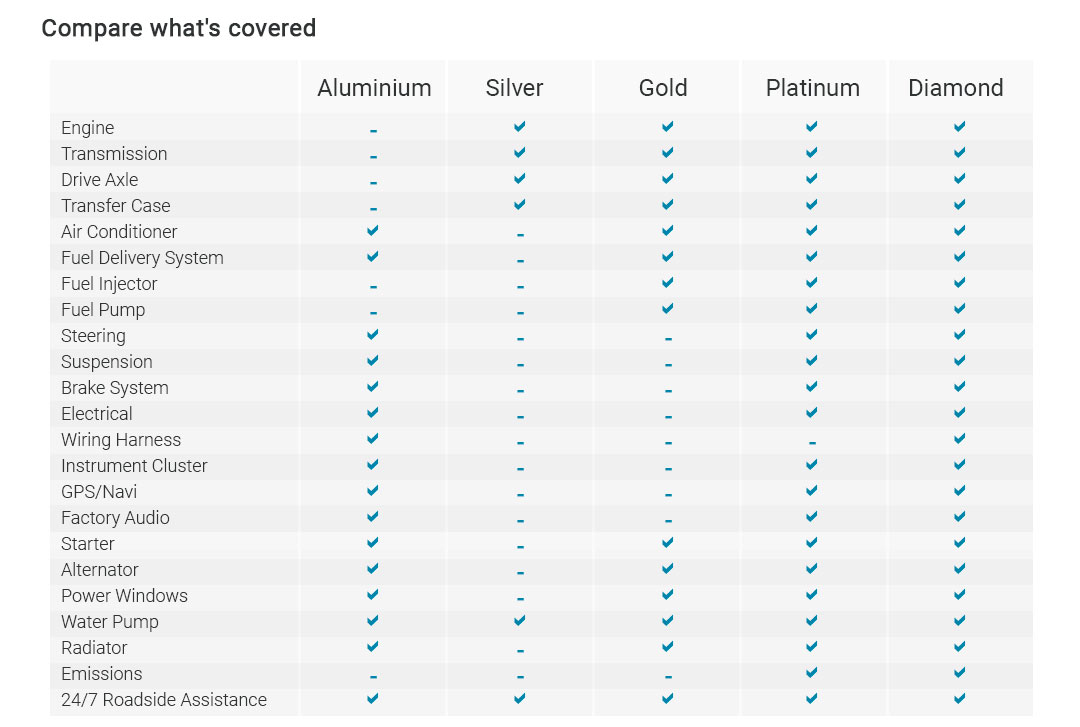
Coverage tiers: powertrain, stated-component, or exclusionary (named exclusions only).
Deductibles: per visit or per repair; affects small claims math.
Extras: roadside, rental, trip interruption; useful but secondary.
At first glance, extended coverage can stabilize unpredictable repair costs. On second thought, that stability depends on claim approval discipline, your car's reliability curve, and your tolerance for variance.
Cost and value across time
Typical mainstream contracts run roughly in the low thousands; luxury, high-tech, and EVs price higher due to parts and labor complexity. The long view asks: does the expected covered risk exceed total premiums and fees?
Variables that move price
Mileage and age: more risk, more cost; surcharges after major thresholds.
Coverage level: exclusionary vs. powertrain makes a big gap.
Repair network and labor rate caps: low caps shift costs back to you.
Deductible: higher deductibles lower price, but watch visit frequency.
Make/model risk: turbo, air suspension, ADAS, infotainment raise exposure.
Company types to compare
Manufacturer-backed plans: broader dealer acceptance; sometimes better parts policies.
Dealer-sold third-party: convenience at purchase; inspect the administrator and insurer.
Regulatory posture: complaint volume with state insurance/consumer agencies.
A quiet real-world moment
On a rainy Thursday, 78,400 miles in, my neighbor's water pump failed on a CPO sedan. The third-party administrator okayed OEM parts, $1,150 total; a $100 deductible applied, rental covered two days. Useful, yes - though the shop waited until noon for a call-back, reminding me that process reliability matters as much as coverage language.
Strategy for the long haul
Don't overlap factory coverage: align start dates with powertrain/basic expiry.
Consider timing: buying early can lock pricing. Then again, the time value of money argues for waiting until closer to factory end if pre-existing rules permit.
Match deductible to repair profile: low for frequent small issues; higher for catastrophe focus.
EV and advanced tech: battery exclusions/limits, thermal management, infotainment, and ADAS sensors deserve close reading.
Self-insure alternative: a repair fund with disciplined contributions and a cap can rival many contracts.
Checklist before you sign
Obtain the exact sample contract for your state and mileage band.
Call the claims line as a prospective customer; note hold times and guidance.
Confirm how diagnostics are handled if the claim is denied.
Ask about labor rate caps, teardown authorization, and parts sourcing.
Verify insurer name and rating; ensure the obligor is clearly identified.
Compare transfer and cancellation fees; confirm pro-rata math with examples.
Green flags
Backed by a well-rated insurance company or strongly capitalized obligor.
Public SLAs for claims and posted sample contracts.
Clear disclosures, no junk fees, VIN-specific quotes.
Shops paid directly via credit card or ACH, not reimbursement only.
Red flags
"Covers everything" language or pressure to sign the same day.
No underwriter named, or vague references to "coverage partners."
High down-payment financing and add-on bundles you can't remove.
Robocalls, unverifiable addresses, or refusal to send a sample contract.
If you choose no contract
Build a sinking fund and automate contributions.
Follow maintenance rigorously; keep records for goodwill or recalls.
Monitor TSBs and common-failure forums for your model; fix early to prevent cascade costs.
I keep the explorer's posture: verify the map, then walk the road. With measured expectations, the right contract - or a disciplined repair fund - can align with long-term ownership, leaving less to chance and more to plan.
https://olive.com/extended-car-warranty-solutions/
Why choose one of olive's extended car warranty solutions to cover your car against high vehicle repair costs? - No waiting period-quote today and get covered ...